Essential tips to keep your indoor plants healthy and thriving.
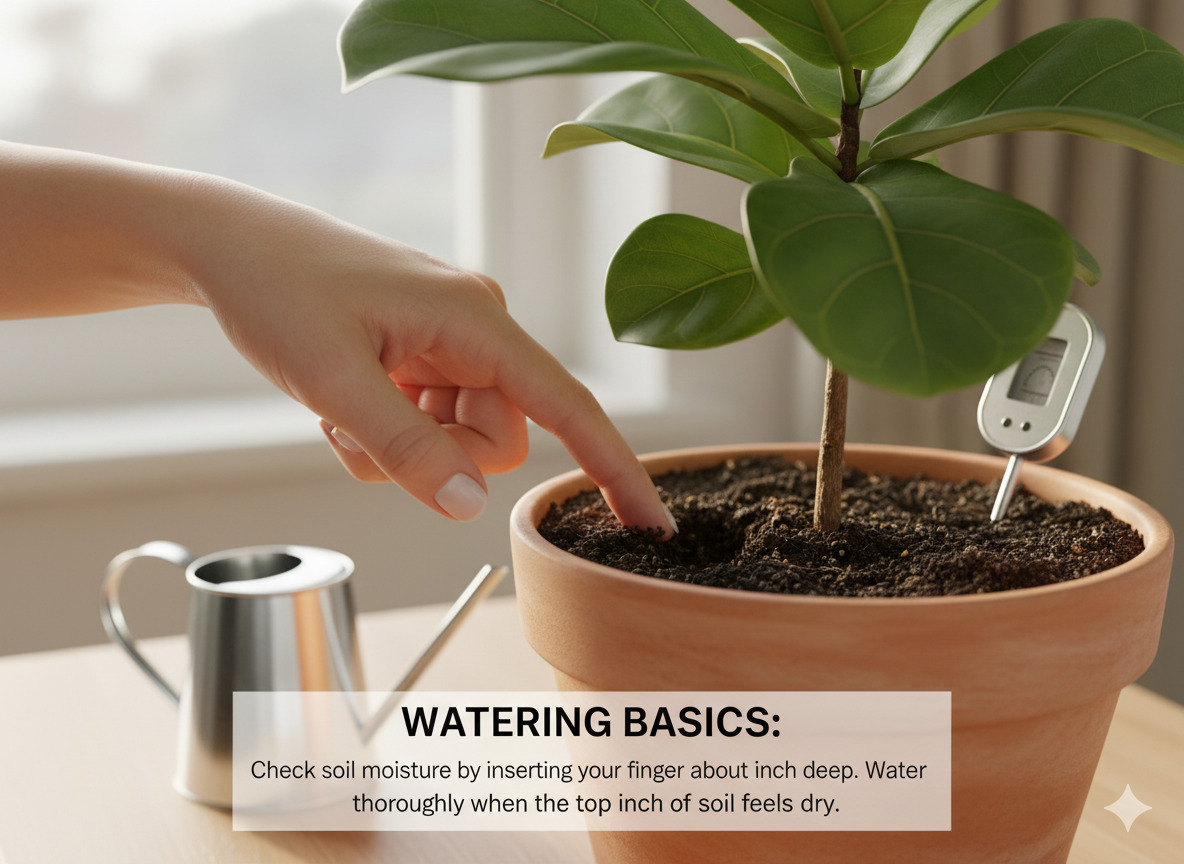
Proper watering is crucial for plant health. Most indoor plants prefer to dry out slightly between waterings. Check soil moisture by inserting your finger about an inch deep.
Water thoroughly until excess drains from the bottom, then allow the soil to dry before watering again. Overwatering leads to root rot, while underwatering causes wilting and leaf drop.
Adjust frequency based on season, light levels, and plant type. Plants in bright light typically need more water than those in low light.
Place plants near east or west-facing windows. Avoid direct midday sun which can scorch leaves. Most tropical plants thrive in this condition.
Perfect for north-facing windows or rooms away from windows. Snake plants, pothos, and ZZ plants adapt well to low light environments.
South-facing windows provide bright, direct light. Succulents and cacti love this, but most houseplants prefer filtered or indirect light.
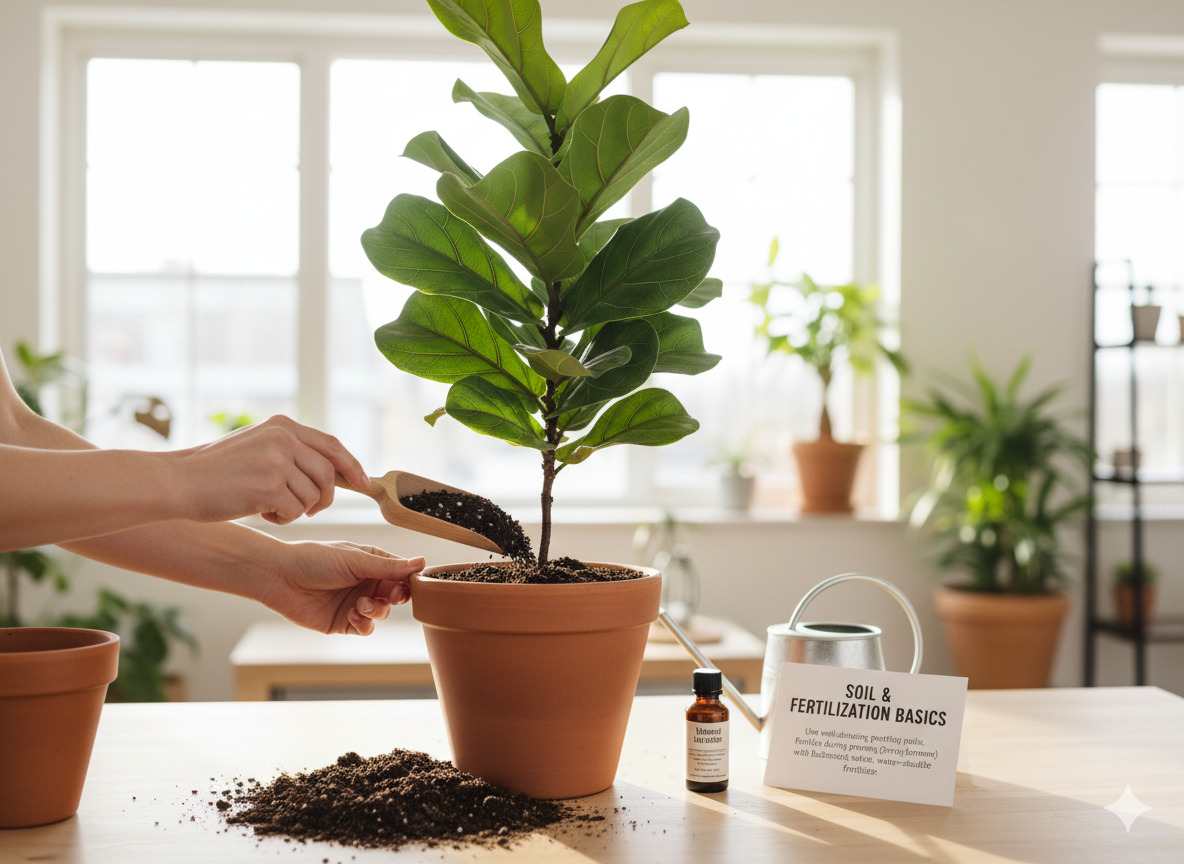
Use well-draining potting mix designed for indoor plants. Standard garden soil compacts and retains too much moisture, leading to root problems.
Fertilize during the growing season (spring and summer) with balanced, water-soluble fertilizer. Reduce or stop fertilizing in fall and winter when growth slows.
Repot plants when roots fill the container or when growth stalls. Choose a pot only one size larger to prevent overwatering issues.
Many tropical plants appreciate higher humidity. Group plants together, use a pebble tray with water, or mist leaves regularly to increase moisture.
Most houseplants prefer temperatures between 65-75°F. Avoid placing plants near heating vents, air conditioners, or drafty windows.
Dust leaves regularly to allow proper photosynthesis. Wipe large leaves with a damp cloth or gently rinse smaller plants in the shower.
We use cookies and similar technologies to enhance your browsing experience. By continuing to use our site, you agree to our use of cookies. Learn more.